Data center cages are high-security enclosures designed to provide physical isolation and asset protection in multi-tenant or hybrid cloud environments. As organizations shift toward hybrid cloud models: balancing on-premise hardware with off-site cloud resources: the physical security of the local infrastructure remains the critical final layer of defense. While cybersecurity measures protect the data stream, physical barriers protect the actual hardware that stores, processes, and transmits that data.
The growth of hybrid cloud infrastructure creates a more complex security landscape. IT directors and facility managers now oversee environments where physical access must be restricted with the same level of precision as digital access. High-strength modular wire mesh partitions serve as the gold standard for creating these secure perimeters within a larger data center facility.
The Physical Security Reality in a Cloud-First World
The transition to hybrid cloud environments does not eliminate the need for physical hardware; it centralizes it. Whether in a colocation facility or a private data center, the physical server remains the most vulnerable point of failure if unauthorized personnel gain access. Physical security cages provide a tangible barrier that slows down intruders and prevents accidental tampering by authorized personnel working on adjacent equipment.
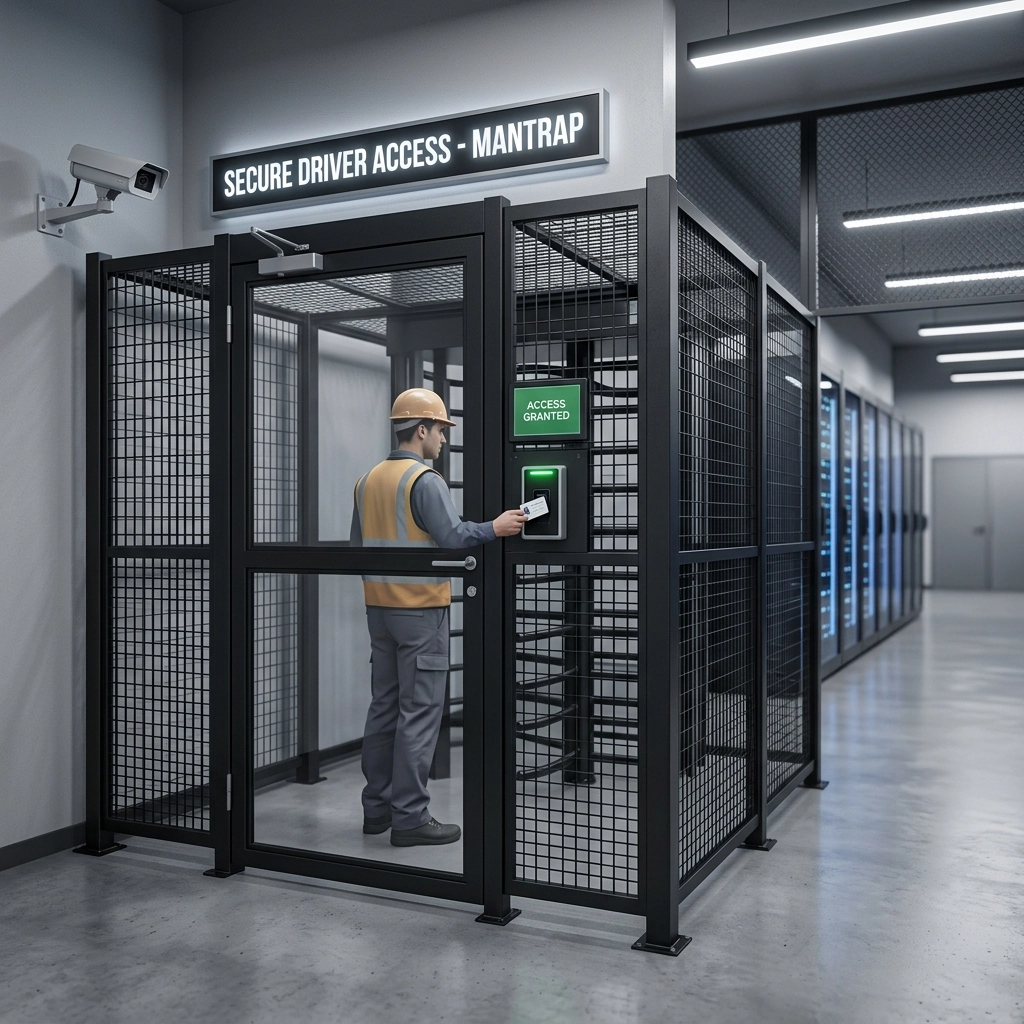
Modern data center cage design focuses on creating a "mantrap" effect for equipment. These structures are not merely fences but engineered security systems. By implementing heavy-duty steel mesh, facilities can maintain a high level of visibility for security cameras while ensuring that no person can physically touch a server rack without passing through an authenticated entry point.
Why Modular Design Outperforms Traditional Construction
Traditional drywall or masonry construction presents significant challenges in data center environments. Permanent walls are inflexible, require extensive permitting, and interfere with the essential airflow and fire suppression systems required for high-density server racks.
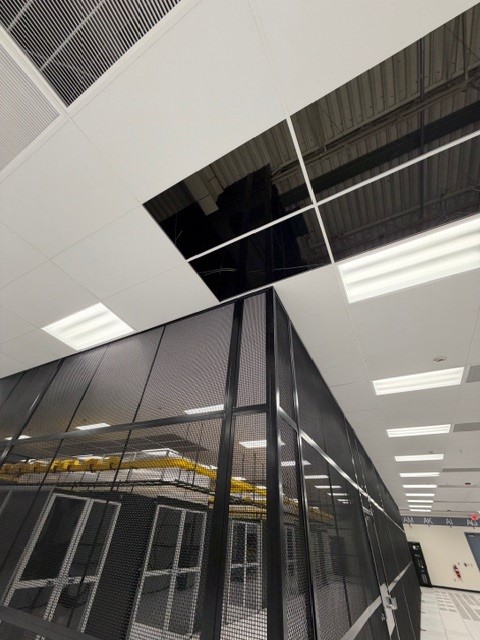
large-format-cages from U.S. CAGE offer a modular alternative that avoids the red tape of permanent construction. Because these modular systems are classified as equipment or furniture, they typically do not require the same level of building permits, multi-trade contractor coordination, or structural inspections as permanent walls. This allows for rapid deployment and immediate scaling as data needs grow.
- Modular Panels: Constructed from 10-gauge steel wire woven or welded into a 2" x 1" rectangular mesh.
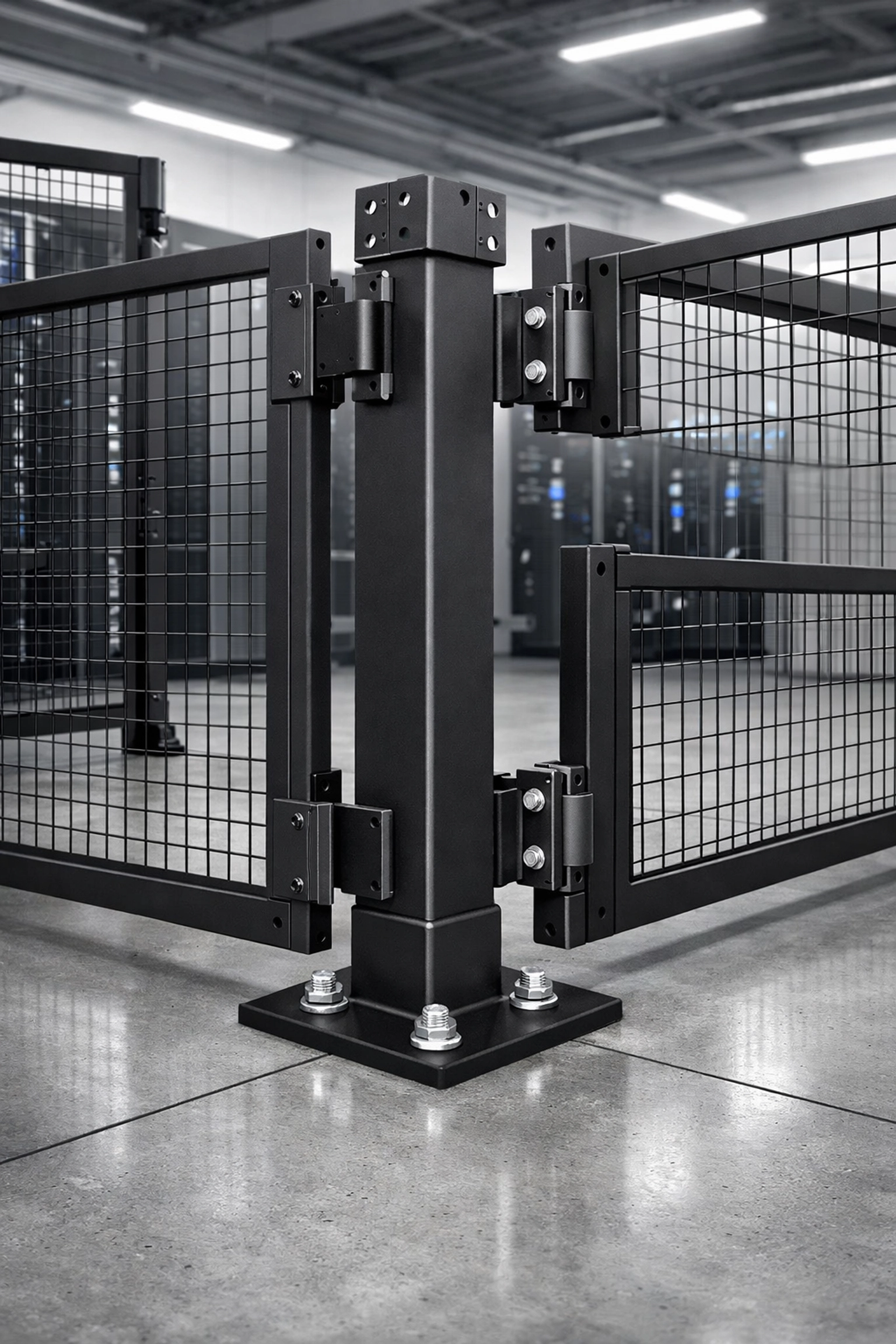
- Structural Integrity: Reinforced with steel posts and angle frames to ensure rigidity without the weight of solid walls.
- Rapid Installation: Pre-cut panels and bolt-together components allow for assembly without on-site welding or grinding.
- Scalability: Easy to reconfigure or expand as more server racks are added to the floor.
Optimizing Airflow and Fire Safety Compliance
One of the most critical factors in data center management is thermal regulation. High-density server deployments generate significant heat, requiring constant circulation of chilled air. Solid walls create hot spots and obstruct the path of HVAC systems.
Wire mesh security cages provide maximum ventilation. The open-mesh design allows for unrestricted airflow, ensuring that cooling systems operate at peak efficiency. This design also ensures compliance with fire codes, as overhead sprinkler systems and specialized fire suppression gas can penetrate the mesh to reach the equipment inside.
- Ventilation: Mesh design provides over 70% open area for air movement.
- Compliance: Meets standard fire safety requirements by allowing water or gas penetration from facility-wide systems.
- Visibility: Enables clear lines of sight for security personnel and 24/7 camera monitoring.
Integration with Modern Access Control Systems
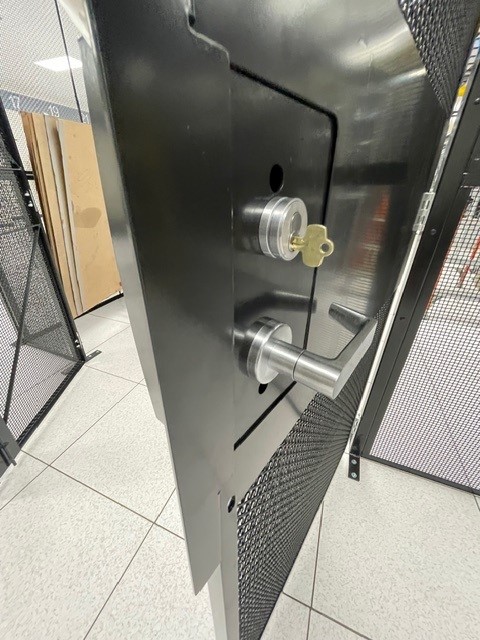
A security cage is only as effective as its entry point. In modern data centers, physical keys are being replaced by sophisticated electronic access control systems. U.S. CAGE designs incorporate high-grade commercial doors and frames specifically engineered to integrate with these technologies.
The door systems support a variety of locking mechanisms, from standard key cylinders to advanced biometric scanners and proximity card readers. For facilities requiring the highest level of security, dual-authentication or mantrap configurations can be established using modular panels and doors.
- Compatible Hardware: Engineered for seamless integration with low-voltage access control systems.
- Locking Options: Supports electric strikes, maglocks, and digital keypads.
- Heavy-Duty Construction: Features reinforced hinges and strike plates to withstand high-frequency use.
Large-Format Utility for Industrial Data Security
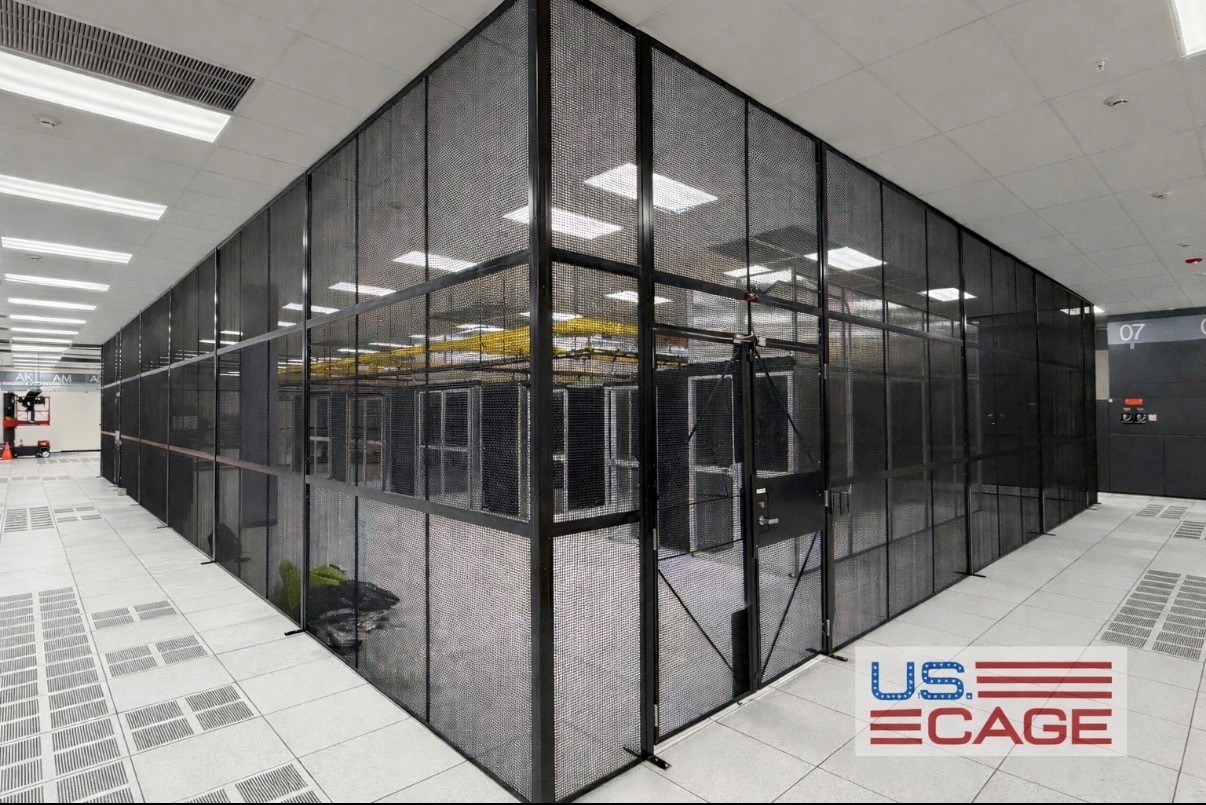
For large-scale data centers and warehouse-sized server farms, utility and scale are the primary objectives. Large-format cages are designed to protect vast arrays of server racks while maintaining organized cable management and interconnection points. These systems are often sourced through reliable American partners such as WireCrafters and SpaceGuard, ensuring that the components meet the highest standards of American-made durability.
By utilizing large-format modular partitions, facility managers can create dedicated "caged rows" for different tenants or departments. This segregation is essential for meeting compliance standards such as HIPAA, PCI-DSS, or SOC2, which require strict physical access controls for sensitive data.
- Dimensions: Standard heights up to 9 feet, with custom heights available for high-ceiling facilities.
- Security Density: Supports deployments ranging from a few hundred to several thousand square feet.
- Organization: Integrates with ladder racks and fiber raceways for clean cable management.
The Value of American-Made Quality
Choosing American-made security components is not just a matter of preference; it is a commitment to reliability and sourcing consistency. U.S. CAGE prioritizes USA-built and sourced materials to ensure that every component: from the 10-gauge wire to the powder-coated finish: meets rigorous quality control standards. This domestic focus eliminates the long lead times and quality variations often associated with imported materials.
Reliable physical security is built on the foundation of dependable performance. There are no shortcuts when it comes to protecting high-value IT infrastructure. A high-strength steel cage provides the long-lasting durability required in a 24/7 operational environment.
- Sourcing: 100% American-made steel and components.
- Finish: Durable powder-coating available in standard black or custom colors to match facility aesthetics.
- Longevity: Designed to withstand years of industrial use without maintenance or structural degradation.
Practical Steps for Data Center Managers
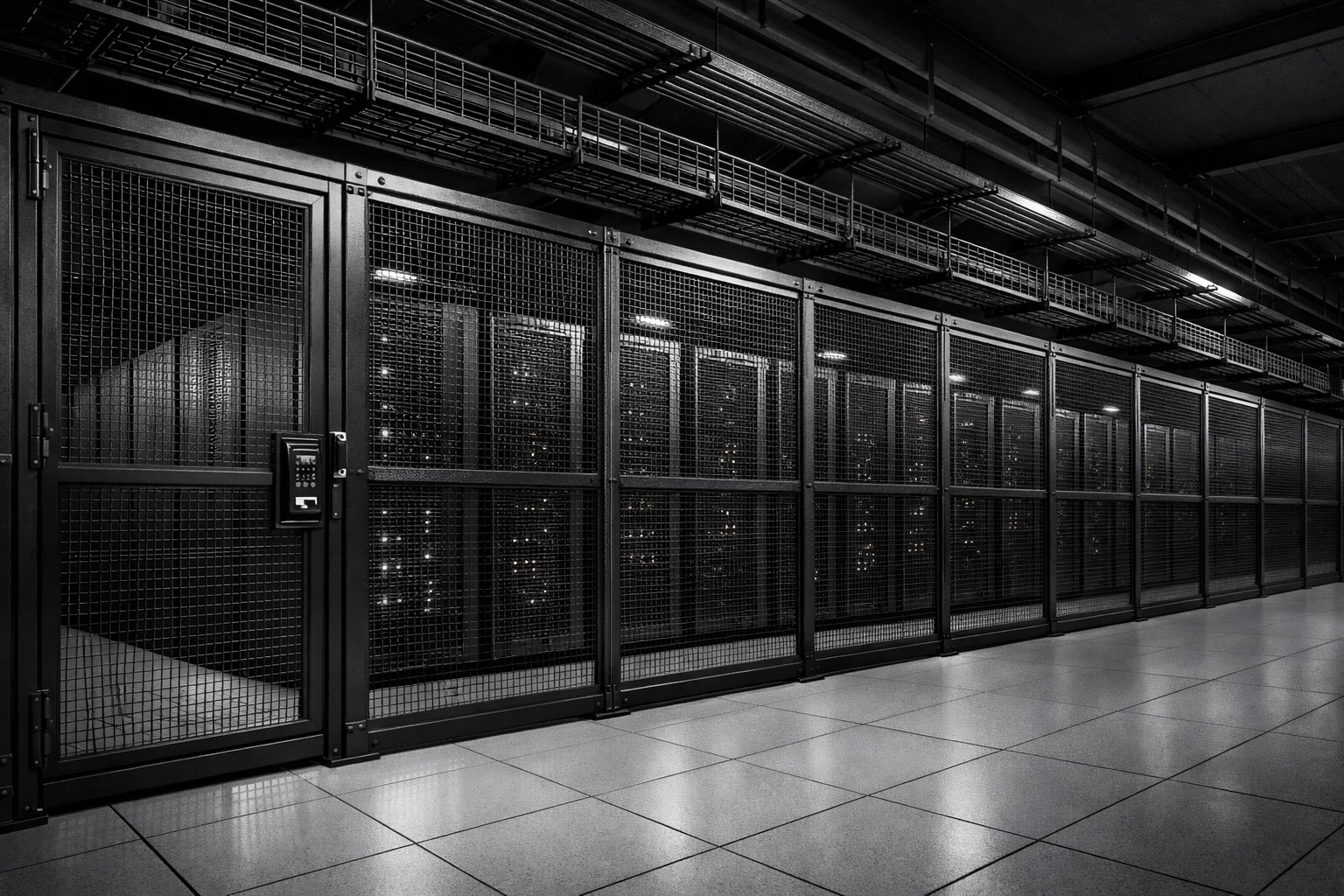
When planning a cage installation, several factors must be considered to ensure the design meets both current needs and future growth.
- Assess Footprint: Allocate approximately 20 square feet per cabinet position to allow for proper technician access and airflow.
- Determine Door Swing: Choose between hinged or sliding doors based on the available aisle space and traffic flow.
- Select Access Hardware: Coordinate with security integrators to ensure the cage doors are pre-prepped for the desired card readers or biometric devices.
- Plan for Expansion: Use modular components that can be unbolted and moved as the server floor layout changes.
Facility managers seeking to optimize their security posture can view accessories to find specialized components for cable pass-throughs, floor anchors, and ceiling supports.
Final Layer of Protection
In the context of hybrid cloud growth, the physical layer of security is often overlooked until a breach or an audit occurs. A well-designed data center cage is a practical, proven solution that removes the opportunity for internal theft and unauthorized hardware access. By choosing a modular wire mesh system, facilities gain a high-strength, scalable, and permit-avoidant solution that protects critical assets without compromising the efficiency of the data center environment.
For more information on designing a custom security enclosure for your facility, contact a representative to discuss technical specifications and layout options.